

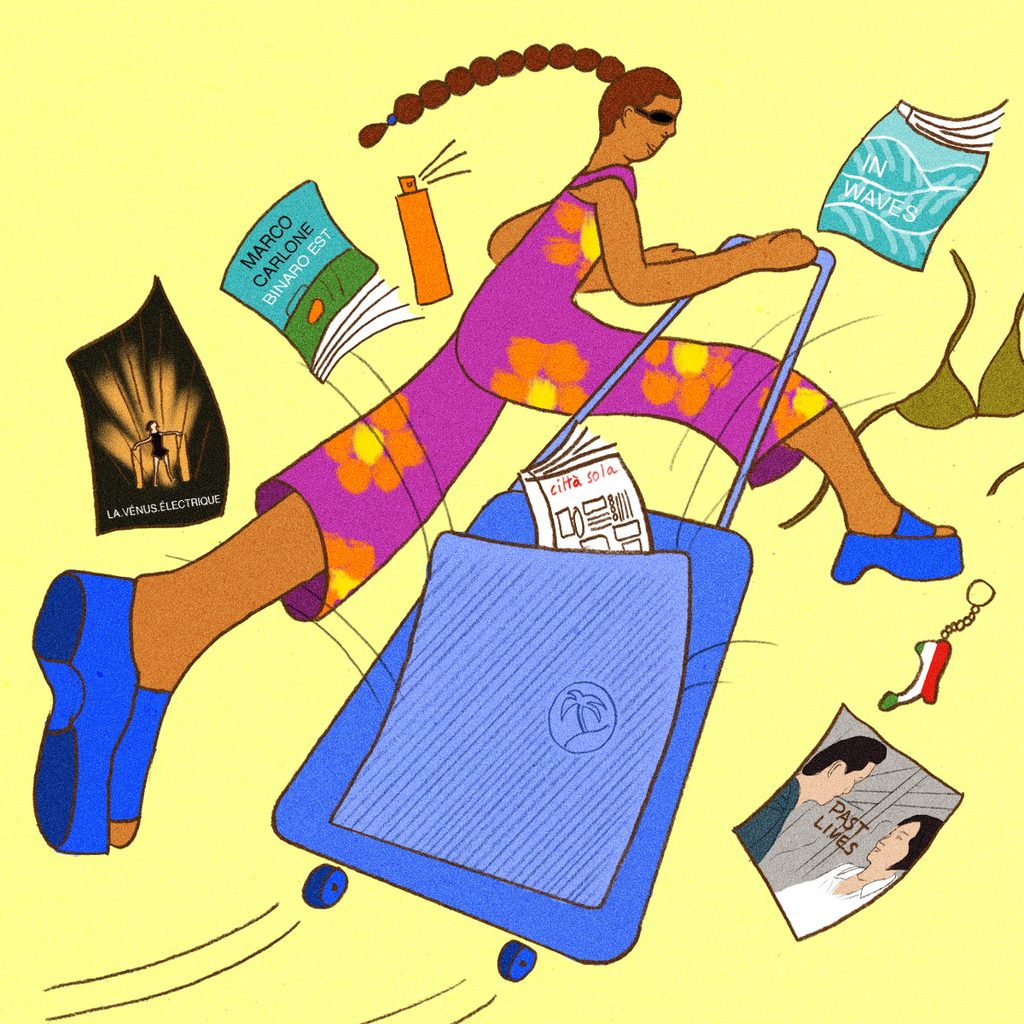
© Victoria Stampfer — Sphera Network
Sphera’s on holiday.
So there’s no interview this week, but instead we’ve prepared plenty of recommendations for you to take with you on holiday or into the new term:
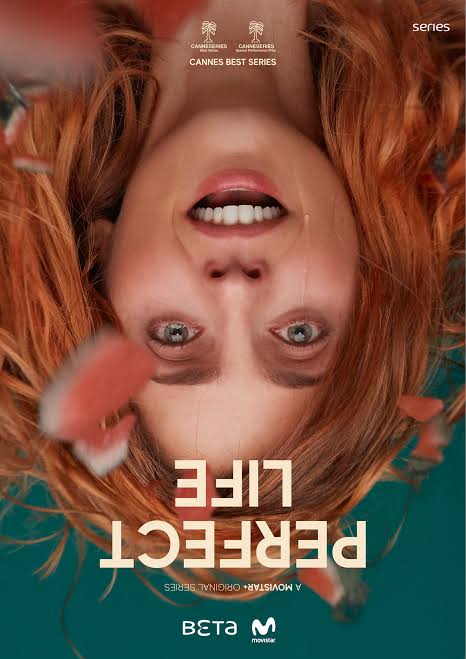
Relationships – For this summer, we’ve got three light-hearted recommendations for you on the theme of “more or less complicated relationships among thirty-somethings.” The first one is Past Lives, a story about a childhood romance that spans oceans and unfolds over time. We won’t say any more — we’d risk giving away spoilers. The second is a Spanish series called, Los años nuevos. Two people meet on December 31st and a spark ignites between them. Each episode takes place on New Year’s Eve over the following ten years, tracing how their relationship evolves. The third is a Spanish series called Perfect Life, and you’ll have a perfect time watching it. It’s funny — funnier than this pun — and offers a fresh, clever take on motherhood, disability, ageing and open relationships. (Marco and Hélène)
— Recommended by Hélène and Marco, journalists
Reinvent — “Following an unprecedented solar storm, every electronic device on the planet has been fried. […] From the local level right up to the head of state, the same question keeps coming up: what if this were an unexpected opportunity to reinvent ourselves? ’ In my suitcase this summer, I’ll once again be packing Hadrien Klent’s philosophical tales, published by the publishers Éditions du Tripode. In Le Jour zéro (2026), Klent invites us to imagine a post-capitalist society where computers, aeroplanes and mobile phones no longer work… and where we can finally reimagine everything.
— Recommended by Marine, editorial director
Dive – or rather, immerse yourself– in Sepulveda’s work, for a poetic, mystical, and yet uncompromising take on environmental issues. Or, in AJ Dungo’s graphic novel In Waves, which is currently being adapted for the big screen. A gently melancholic story about love, grief and illness.
— Recommended by Pauline, project manager
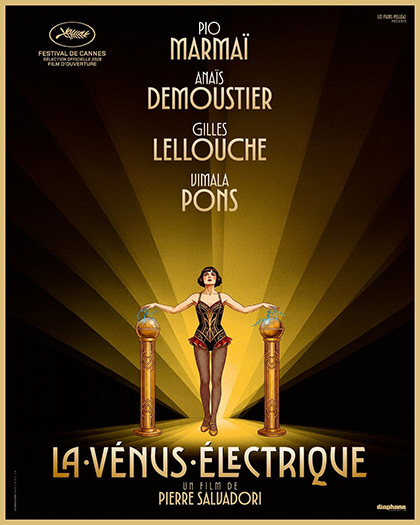
Be born again — How far will we go to find new inspiration and life after suddenly losing someone dear to us? How do we know when we’re ready to let a new chapter begin? The Electric Kiss (La vénus électrique in the original language), a 2026 film set in Paris during the Roaring Twenties on the hill of Montmartre amidst the artists and socialites, paints a subtly humorous picture of guilt and hope. I had a delightful time watching this funny and romantic film, which also brilliantly captures the precarious nature of an artist’s life in a society that’s rapidly changing.
— Recommended by Christelle, art director
Reflect — Olivia Laing’s 2016 essay Lonely City explores the theme of loneliness (particularly in big cities) through portraits of the New York art and cultural scene in the 1960s to 1980s.
— Recommended by Marine, editorial director
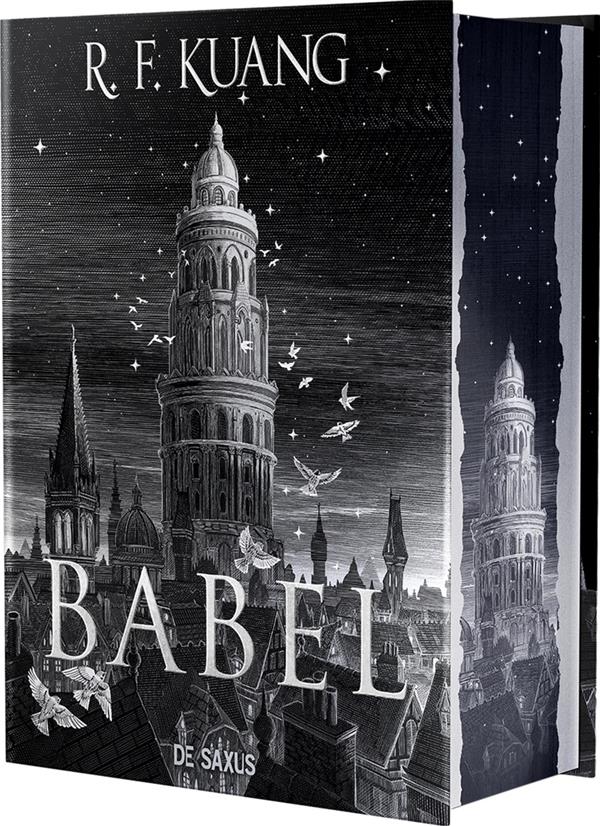
Decipher — In Rebecca F. Kuang’s novel Babel, the protagonist, Robin Swift, is torn away from his hometown in China by an English professor of linguistics, and trained up for the prestigious Royal Institute of Translation at the University of Oxford, better known as Babel. Here he discovers a new world where espionage, geopolitics and magic intertwine, and where power comes from words and their meaning. At Robin’s side we discover the daily lives of young language students which are shaped by an imperialist, oppressive, and exploitative British Empire. What strikes you first about Kuang’s writing, is the attention to detail in setting the scene; you can sense every location, every atmosphere, every emotion. Oxford is at times welcoming, at times deadly, at times revolutionary. Behind these settings lies an uncompromising indictment of imperialism.
— Recommended by Dorine, project manager
Self-promote — as well as doing a brilliant job as journalists or translators, some of our colleagues at Sphera write brilliant books as well, and never boast about them! So I’m doing it for them. The first, Dead Heats, written by our excellent Hungarian translator, Benedek Totth, paints a dark and raw portrait of a group of aimless friends in a disillusioned Hungary, involving an accident and a series of bad choices. The second, Hija, yo sí te creo, by Patricia Reguero Díaz, a journalist at El Salto, is an investigation into intra-family sexual violence and the struggle of ‘protective mothers’ who believe their children and fight for their safety and for justice. The third, Binario Est, is Marco Carlone’s account of a train journey through the Balkans and Eastern Europe. For Marco, every journey tells a story – that of a passenger, a border or a country. And trains play a very important role in the life of our journalist and translator, but he’ll tell us all about that in the next issue of In Vivo.
— Recommended by Hélène, journalist