 |
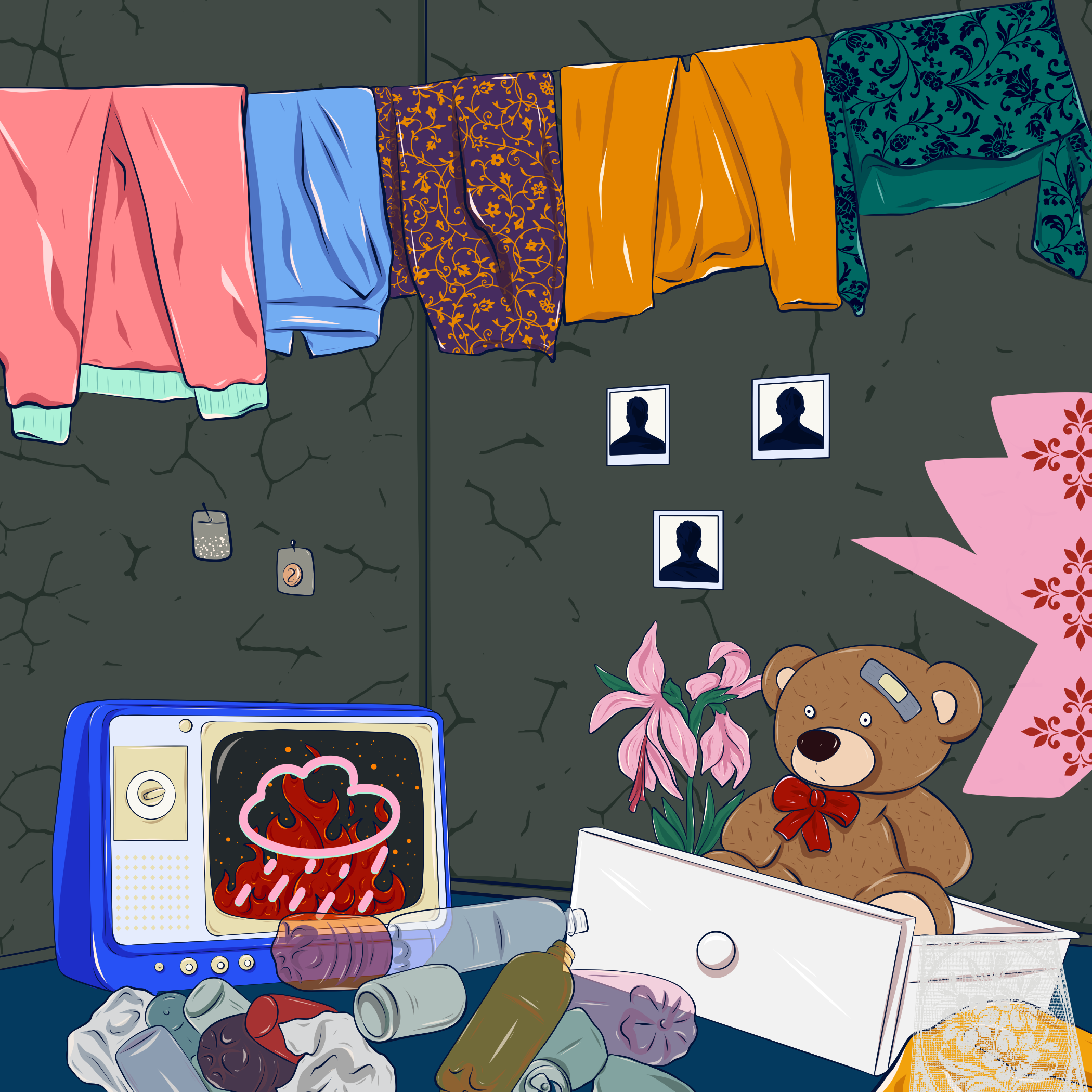
© Anna Rabko — Sphera Network
|
|
|
|
|
It has been some time now since crystal meth ceased to be the sole preserve of Heisenberg and Jesse from “Breaking Bad”. In the European Union, 6.1 tonnes of methamphetamine were seized in 2024. In Hungary, where the Orbán government has introduced some of the most repressive drug laws in Europe, consumption has skyrocketed. In Nógrád County, in the east of the country, the arrival and proliferation of synthetic drugs have ravaged the poorest areas, such as those inhabited by an already heavily marginalised Roma community. Kristóf and Gábor, a journalist and a photographer for our partners at the Hungarian media outlet 444, went to the area to see first-hand what this drug was doing to a segregated neighbourhood, whilst seeking a collective solution.
|
|
— MÁTRAVERELÉBY, 28 OCTOBER 2026
|
An engine roared suddenly and we all turned towards the sound. A black BMW without license plates sped past us like a Formula One car. It accelerated to around 90 kilometres per hour down a side street roughly 400 metres long, then braked, turned around and came hurtling back. The car then left the asphalt and continued racing along a dusty, grassy service road. It was heading straight towards us when it suddenly slammed on the brakes.
In a cloud of dust, two men got out of the BMW, the driver laughing, and the passenger stumbling towards us. Both men appeared to be under the influence of drugs. Half a minute later, a local police officer arrived. It turned out he had confiscated the BMW’s license plates just 15 minutes earlier. After being severely reprimanded, the driver got back into the car and slowly set off towards the village centre. But after about 100 metres, he floored the accelerator and the car shot off again like a rocket. Around 20 people watched as the officer jumped into his Skoda and set off in pursuit.
This surreal scene was just one of many we witnessed in Mátraverebély, in Eastern Hungary. We had travelled to a village in Nógrád County to report on its notorious segregated settlement, which many consider one of the county’s main drug distribution hubs. Known locally as the “black side”, the neighbourhood is inhabited mainly by Roma people.
Nikolett Szomora, a representative of the kisebbségi önkormányzat of the Roma minority (the ‘minority local authorities’ which enable the thirteen recognised ethnic minorities in Hungary to manage matters relating to culture, education and tradition themselves, editor’s note), accompanied us into the settlement. As we walked past dilapidated houses filled with rubbish, Nikolett talked about the problems facing the community, including the lack of jobs and drugs.
|
| |
“The conditions here are like those in American ghettos. Around 80% of people living in the segregated settlement use drugs.”
|
| |
|
According to Nikolett, everyone in the village knows who the dealers are. At present, five to eight families sell drugs. The fathers usually handle the business, but when they are away, other family members serve the customers. Pointing towards some children happily playing on the renovated football pitch in the middle of the neighbourhood, she said: “Every one of them either has a dealer for a father or a father who’s in prison. How are they supposed to grow up in those conditions?”
The substance causing the most problems is crystal meth, which Nikolett consistently refers to as “poison” rather than a drug. We found the foil and smoking paraphernalia used to consume it in every derelict house. We also encountered several people on the street who appeared to be high on crystal meth. None of the people wandering around, seemingly aimlessly, wanted to speak to us. One young man summed up why in a few words: “Whether we talk to you or not, nothing changes. This village should be blown up. Not even God can help Verebély.”
Yet there are people who are trying to make a difference. Fifty kilometres away, at the Dr Albert Kenessey Hospital in Balassagyarmat, Eszter Sótér, head of the psychiatric rehabilitation department, received us in civilian clothes, without a white coat. Quite different from our preconceived image of a senior psychiatrist, this young doctor has been working within the Nógrád County health service for twelve years. From the very beginning, she spoke openly and directly about the county’s problems, without resorting to professional jargon, about the longstanding problem that is the combination of extreme poverty, deteriorating mental health and substance use.
“The substance acts on the brain’s reward centre, triggering the sudden release of large amounts of dopamine. Users feel like everything is fine. The euphoria is immediate, and they escape from a world weighed down by the problems of simply getting by.” Many people in Nógrád County live below the poverty line, with no hope for the future. The drug becomes a means of escape.
|
| |
“Find me someone who wouldn’t develop the same symptoms in these circumstances!”
|
| |
|
For Nikolett, decades of treating the issue as taboo also allowed the problem to escalate. Until the change of government in April, it hadn’t been possible to even talk about it.
According to Sótér, one priority now is to provide low-threshold services. Doctors, psychologists and community-care organisations should work together as a coordinated team like in other countries (read In Vivo n°78, editor’s note). Harm reduction and building trust must be the foundation of their work.
“It starts with something as simple as seeing a 14-year-old on the street smoking a dangerous substance. I go up to them, and the most important thing is to approach them without rejecting or lecturing them. Making a connection is what matters.” She believes that approaching people without judgement can build a bridge towards seeking help. But today, “people simply turn their heads away,” she said, summing up the severity of the situation. Based on what we witnessed in Mátraverebély, we could only agree with her.
|
|
|
|
|
🛠️ Ressources to take action
|
Info Services is the national remote assistance service for drugs and addiction, offering a hotline and a chat service. Whilst the centers for addiction treatment, support, and prevention (CSAPA) listed on the ANPAA website offer support to people struggling with all forms of addiction. 🇩🇪 In Germany, you can find an addiction support center on the sozial plattform 🇮🇹🇨🇭 The SafeZone.ch platform offers free, anonymous online counseling on addiction to those affected, their parents and loved ones, professionals, and anyone interested—Arud is one of the leading institutions in the field of addiction medicine in Switzerland—And Le Quai 9 is a drug consumption room that has been open in Geneva since 2001.
|
|
|
| |
|
Our Picks
|
|
Two books, a series and a film:
|
The writer Colin Barrett left County Mayo in Ireland when he was a teenager. In his debut novel “Wild Houses”, he returns to the area to tell the story of those who stayed behind, against a backdrop of methamphetamine trafficking. It all unfolds over the course of a single weekend: a drug debt, a kidnapping and young people overwhelmed by the situation.
|
— Recommended by Hélène, journalist
|
|
|
|
|
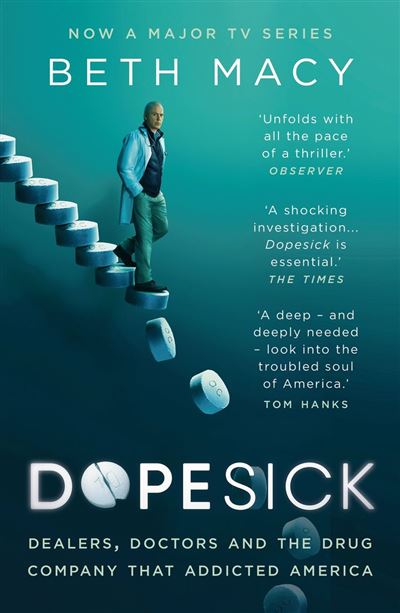
“Dopesick” is an essential series for understanding how the opioid crisis in the United States has its roots in the economic interests of the state-backed pharmaceutical industry, at the expense of the health of the rural working class in the US.
|
— Recommended by Adèle, social media journalist
|
|
|
|
|
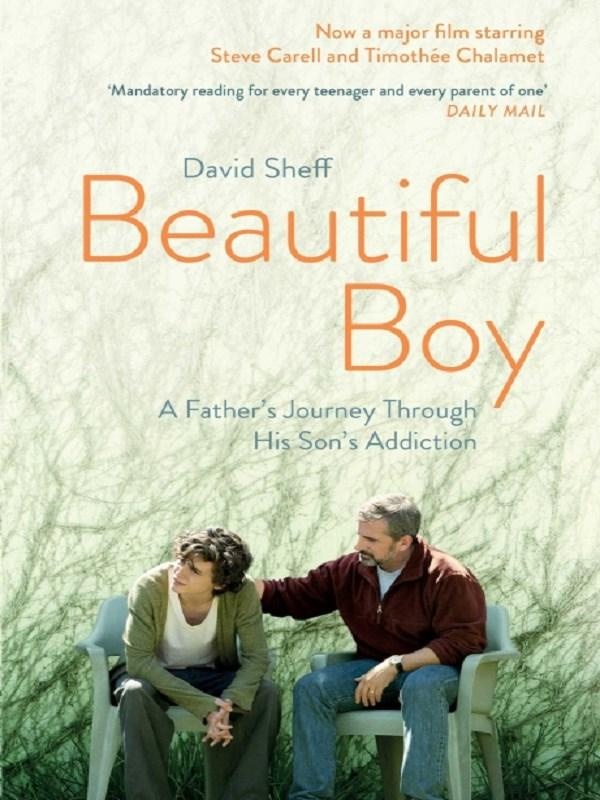
In “Beautiful Boy: A Father’s Journey Through His Son’s Addiction”, journalist David Sheff recounts his son’s addiction to methamphetamine. Rather than focusing solely on the young man hooked on crystal meth, this deeply moving autobiographical account takes the perspective of a father who tries everything to pull his son out of the abyss into which he is plunging. In the film adaptation, David Sheff is played by a deeply moving Steve Carell — who is reunited here with his co-star from “The Office”, Amy Ryan, in a completely different role.
|
|
|
— Recommended by Hélène, journalist
|
|
|
|
Do you have any questions about the newsletter, reactions to the subject or recommendations you would like to share with us? You can write to us in reply to this e-mail or at [email protected]. See you on the 11th November for the next issue.
|
|
|
|
|
|
|
|
|
You received this email because you signed up on our website.
Unsubscribe
|
|
|
|
|
|