N°84 — Deprived of property
|
|
|
 |
© Anna Rabko — Sphera Network
|
|
|
|
|
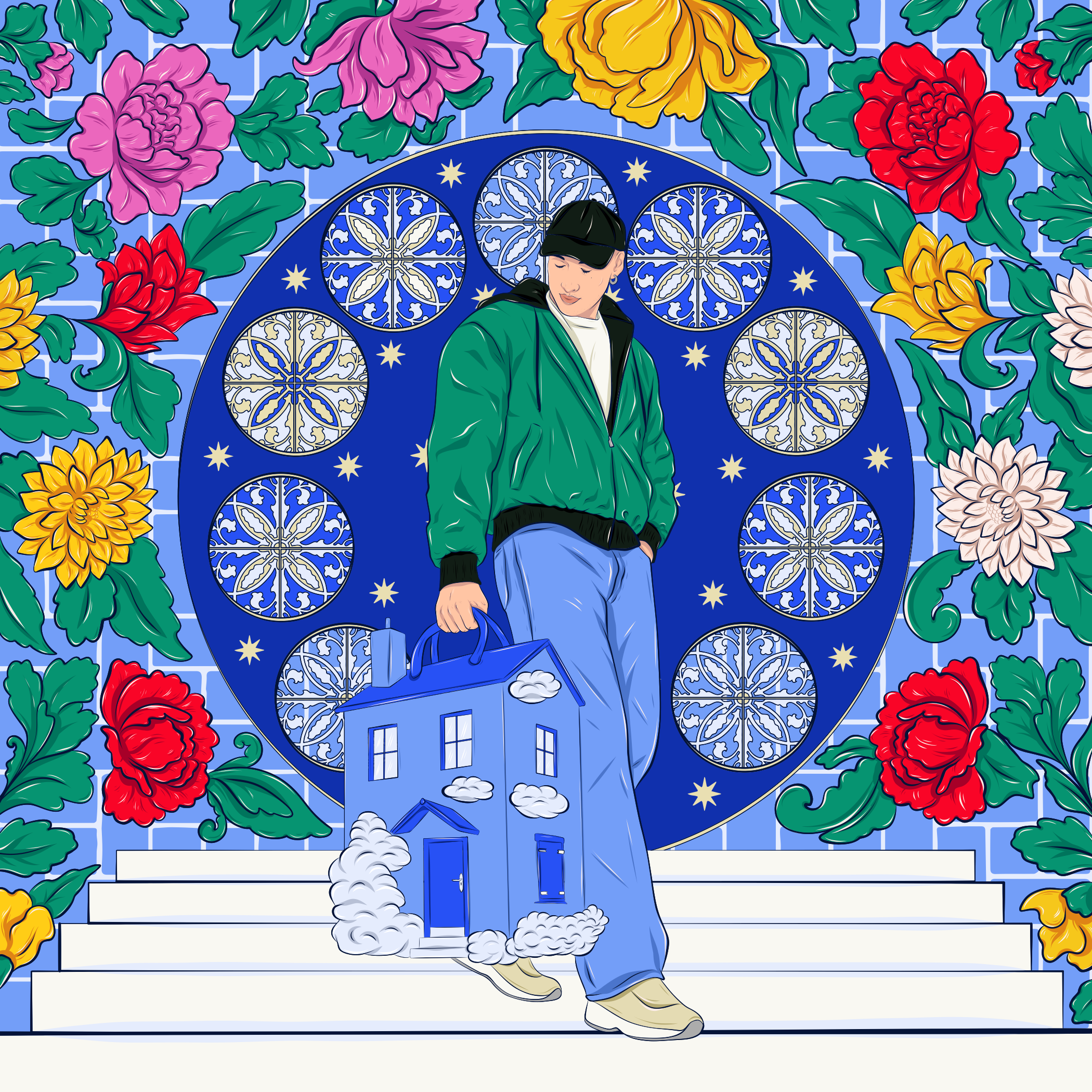
What would you do if you won the lottery? The first thing most people say in response to this question is ‘buy a house’.But it’s unlikely that any of our readers will ever hit that financial jackpot. So how can you achieve this goal when you don’t have the winning numbers? Has this dream become out of reach on a continent where property prices have risen by 60 per cent since 2013 — without wages keeping pace? That’s what Luca* is wondering, as he approaches his 40th birthday in Milan, a city where the average price per square metre is 5,600 euros.
|
|
— MILAN, 30 SEPTEMBER 2026
|
In a few months’ time, I will be celebrating twenty years of living in Milan. I left my home town Brindisi in 2007 – in the Puglia region where I was born and grew up – to enrol at the Polytechnic here, where I ended up doing my bachelor’s, master’s and my PhD. So, twenty years in Milan, ten of which were spent at university.
Throughout that time – unlike many of my peers who are now approaching forty – I haven’t started a family, set up a business and, above all, I haven’t bought a house. ‘If you’d thought about it 20 years ago,’ people tell me, ‘you’d have almost finished paying off the mortgage by now.’ But back in 2007, I was only able to move out thanks to my student grant, which paid for a bed in a halls of residence, where I lived until 2016.
I signed my first tenancy agreement after completing my undergraduate degree. I remember the endless queues outside the registry office to get my residence certificate, which allows you to vote and have a GP in the city. There were four of us sharing the flat with just one bathroom; the rent was relatively low (no doubt thanks to that single bathroom), at around 400 euros each. At the time, I was doing an internship at an advertising agency and earning 900 euros per month. Very slowly, year on year, moving from one precarious contract to the next, I managed to increase my salary. However, rent prices went up at the same time. Today, I pay 1,000 euros per month to live on my own in a 40-square-metre flat on the third floor with no lift.
|
| |
Ten years ago, I couldn’t even imagine buying a house.
|
| |
|
If I’d gone to the bank to apply for a mortgage whilst doing an internship, with a stay-at-home mum and a younger sister still dependent on my parents, they would have laughed in my face. No one could have acted as a guarantor for me, nor could anyone have given me 50,000 euros for my deposit. Today, however, as I have a good contract and earn twice as much as I did back then, I could probably consider applying for a mortgage, but people would still laugh at me, because I’m now too old and I still don’t have that 50,000 euros to pay up front.
‘How come, in all these years, you haven’t managed to put anything aside?’ That’s the other thing people keep asking me. But putting money aside, for a single person, is a luxury. Italy isn’t a country made for single people. On top of the rent, which already takes up half my salary (Milan is the most expensive Italian city in this respect; rents there have risen by up to 70 per cent over the last ten years), there are monthly expenses for public transport, the gym (necessary-ish?), the psychologist (essential!), not to mention subscriptions to on-demand streaming services – which I gave up a long time ago – lunches and dinners in restaurants, which are my only social life, and those little everyday expenses like glasses breaking, or a mobile screen shattering or a key snapping in the door lock.
|
| |
After all that, how much money do you think is left to put aside at the end of each month?
|
| |
|
And yet, last year, Istat reported that 81.6 per cent of Italians lived in homes they owned. A closer look at these figures reveals that the majority are people aged over 55 and, above all, over 65 – although the proportion of those under 36 managing to sign a deed of sale has also risen in recent years.
The European average for home ownership is much lower, at around 68.5 per cent. But in Italy, as if that weren’t enough, 26 per cent of the population, it would seem, even own a second home, or perhaps several. The owners of the flat I live in, for example, own five; they live in one and the other four are let out.
Again according to Istat – those buying a home today are opting for small flats, studio flats or one-bedroom flats, particularly in outlying areas. So the money saved by investing ‘in bricks and mortar’ is then spent on a car, insurance, petrol and extra sessions with a psychologist to relieve the stress of the 8 am traffic jams.
Rather than compromise and leave the city to live in a house even smaller than the one I’m in now, I’d rather stay where I am. Of course, I can’t say I feel ‘at home’ here. There isn’t enough space for all my belongings – many of which have been sent to my parents’ house, another home I no longer consider ‘mine’. And so, like many people my age – stuck in a situation we can’t afford to change – I’ve stopped thinking about the future. I don’t ask myself where I’ll be in twenty years’ time. For now, I’m here.
|
— LUCA
*Luca is an author and artistic director at VD News
|
| |
|
|
|
🛠️ Resources to help you take action
|
🇬🇧 In England, the new ‘Your First Home’ scheme will help buyers with a regular income but who have not saved enough for a substantial deposit, or who do not have financial support from their family, by offering a loan with an initial interest-free period and a minimum deposit requirement of just 2.5 per cent. 🇫🇷 Among other benefits, communal living can offer a more accessible route to home ownership. The Habitat Participatif France website lists adverts from groups looking for residents. 🇮🇹 For those unable to buy a flat in Italy, the ‘Abitare solidale’ project connects young people, migrants and those looking for accommodation, with private individuals who have a spare room in their home.
|
|
|
| |
|
Our Picks
|
|
A book, a film and a song:
|
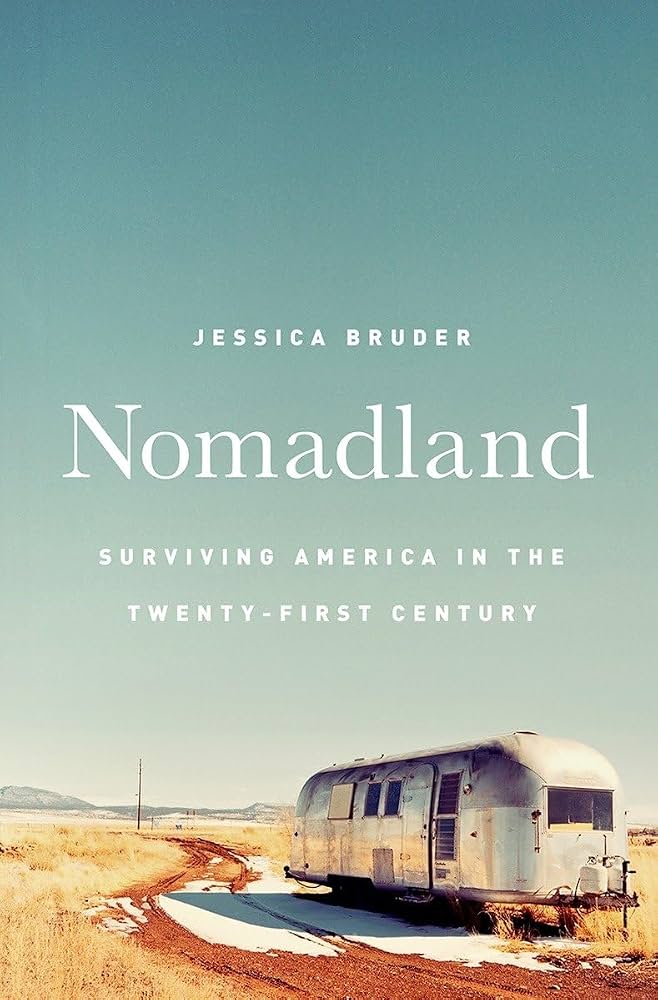
The first thing that springs to mind when we talk about the luxury of owning your own home is Jessica Bruder’s book “Nomadland”, which was adapted for the big screen in 2020 as a multi-award-winning film. This colossal piece of investigative journalism, which took three years to complete, tells the story of American citizens – often elderly – who, following the 2008 financial crisis, lost their homes and savings and found themselves living in vans or caravans, moving from one precarious seasonal job to the next. An invitation to reflect on the fact that housing can also become a commodity that is completely out of reach.
|
— A recommendation from Marco, journalist
|
|
|
|
|
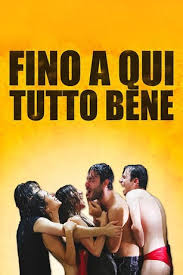
“Fino a chi tutto bene” recounts the final days of five students in their university flat share… By the end of the weekend they will have to leave the place where they shared long conversations, highs and lows, parties and hangovers, and face the reality of adult life, with the search for work and the housing that goes with it.
|
— A recommendation from Luca, author and artistic director
|
|
|
|
|
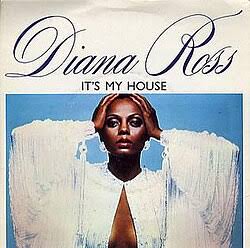
Now, imagine you’ve FINALLY managed to buy the home you’d always dreamed of when you were younger. On your first day in your new home, you plug in your speakers, turn the volume right up and play Diana Ross’s ‘It’s My House’ 👑
|
— A recommendation from Hélène, journalist
|
|
|
|
|
|
Do you have any questions about the newsletter, reactions to the subject or recommendations you would like to share with us? You can write to us in reply to this e-mail or at [email protected]. See you on the 14th October for the next issue.
|
|
|
|
|
|
|
|
|
You received this email because you signed up on our website.
Unsubscribe
|
|
|
|
|
|